Introduction: Safety Is Productivity in Warehouse Fulfillment
Picker packers handle high speed, repetitive tasks and directly influence accuracy. Doing so safely also impacts accuracy, morale, and throughput. Picker packers often walk miles per shift, lift hundreds of items,and operate around moving equipment.
Unsafe habits lead to injuries, slowdowns, errors, and worker turnover. Safe workers equal consistent workers which results in higher accuracy and faster fulfillment.
Even in automated warehouses, human workers, including temporary warehouse workers, are essential for handling irregular items, quality checks, and exception based tasks.
The most efficient warehouses combine technology, training, and flexible staffing through Bacon's warehouse job app. Safety isn’t a trade-off with productivity, it’s the foundation of it.
Common Risks for Picker-Packers and Why They Happen
Understanding risk is the first step to preventing injuries. Knowing the risk factors and why they happen help prevent injuries before they happen.
Common Risk Factors:
- Repetitive motions like lifting, bending, reaching
- Over work during peak workloads
- Trips, slips, and cluttered aisles
- Improper lifting techniques
- Rushing to hit quotas
- Inadequate staffing, causing workers to push themselves too hard
Why These Happen:
- High volume fulfillment environments
- Poorly organized pick paths
- Inexperienced warehouse temp staffing without training
- Understaffing, especially during peak seasons
Bacon helps prevent over use injuries by giving managers instant access to additional temp labor and helping them hire picking and packing workers when they need them. Most injuries happen when workers are rushed or undertrained, both preventable with the right planning.
Strategy #1: Teach and Reinforce Proper Lifting Techniques
Lifting incorrectly is one of the fastest ways to cause strains, sprains, and lost workdays. To prevent this, teach the basics of lifting.
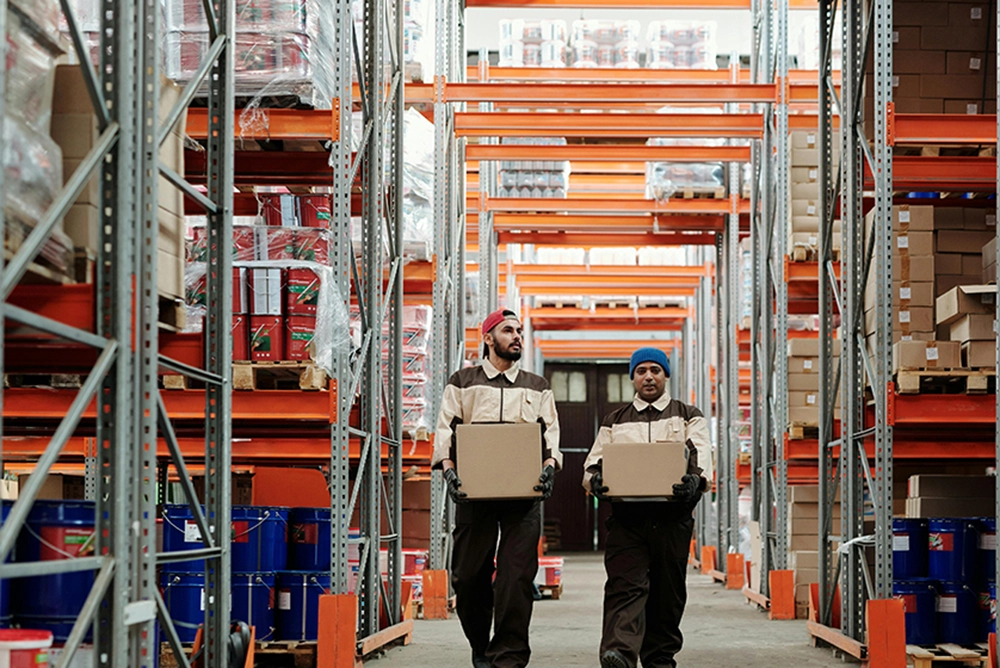
Bend at the knees, not the back. Keep loads close to the body to not over load specific muscles. Avoid twisting while lifting, this protects the spine.
Use posters, short training videos,and daily shift reminders. Encourage workers to speak up when something is too heavy or awkward.
When warehouses are short staffed, workers are forced to push harder and take shortcuts. But when managers staff warehouse shifts on Bacon they find warehouse staff for the days when they need them.
Strategy #2: Improve Ergonomics and Reduce Repetitive Stress
Small ergonomic upgrades prevent major injuries and increase long-term efficiency. Adjustable packing tables reduce bending and reaching. Packaging tools like tape guns, turntables, and scanners reduce strain.
Rotate workers through different tasks to avoid repetitive motion fatigue. If your temp lacks cross trained staff, find warehouse workers through Bacon to rotate roles and reduce overuse. Good ergonomics protect your team and boost your bottom line.
Strategy #3: Keep Warehouse Paths Clear and Organized
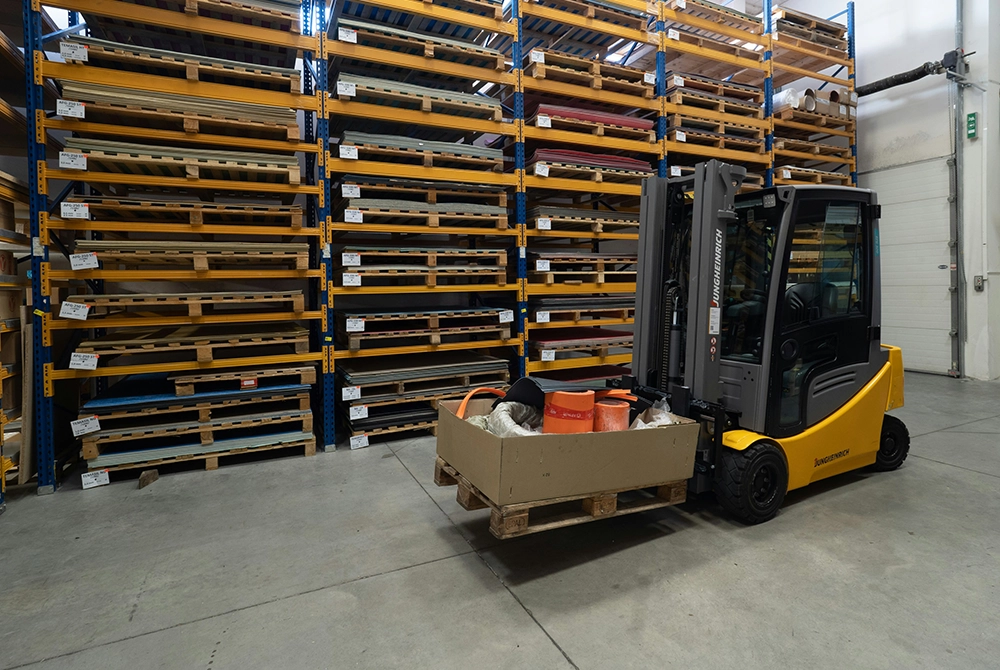
A cluttered warehouse causes tripping hazards, picker delays, and forklift accidents. Keep aisles free of debris, pallets, shrink wrap, and empty totes. Use floor marking for picker/forklift zones.
Ensure WMS-guided pick paths are optimized so workers aren’t backtracking. Hold quick visual audits at the start of shifts.
During reorganizations or re-slotting, increase staffing and find pickers and packers from Bacon to avoid rushed, unsafe conditions.
Strategy #4: Reduce Rushing by Fixing Staffing Gaps
One of the biggest causes of injuries is speed pressure created by inadequate staffing. When short handed, picker packers take shortcuts.
Overexertion leads to injuries and decreased accuracy. Prevent this by forecasting labor needs using WMS data. During peak days, use Bacon and have warehouse workers pick up warehouse shifts and fill the roles you need.
Compared to slow traditional temp agencies near you, Bacon gives managers on-demand access to reliable workers. The safest warehouse is the one that isn’t understaffed.
Strategy #5: Train Workers on Equipment, PPE, and Safety Protocols
Safety training empowers workers to protect themselves and the warehouse. Require PPE, gloves, steel-toed boots, safety vests, wrist supports if needed.
Train workers on forklift zones and right of way rules. Use daily pre-shift safety huddles. Make incident reporting easy and stigma free.
When onboarding temporary workers through Bacon, give quick orientation on PPE and warehouse specific safety rules. Bacon’s top rated workers adapt fast and follow guidelines.
Strategy #6: Use Technology to Support Safety, Not Replace People
Automation helps reduce risk, but picker packers still handle the nuance and judgment robots can’t. WMS tools improve order accuracy and reduce mispicks.
Wearables and scanners reduce strain and repetitive motion. Safety sensors warn workers entering forklift zones. But humans remain essential for handling exceptions, irregular items, fragile goods, and returns.
Smart warehouses pair tech and flexible staffing. Bacon supplies the human side, background checked, reliable temp labor ready to support even tech heavy operations. Tech helps, but people still power warehouse safety.
Conclusion: A Safe Picker-Packer Team Is a Productive Warehouse
Reducing injuries boosts morale, accuracy, retention, and speed. Safety requires training, planning, and adequate staffing.
The best warehouses support their picker packers with ergonomics, clear workflows, and the right number of people. Bacon helps warehouses stay fully staffed with dependable temporary warehouse workers. Creating safer, faster, more productive fulfillment teams.
Ready to build a safer, more productive warehouse? Post your next shift on Bacon, the smarter alternative to temp agencies near you.