Introduction: The Shift Toward Electric Forklifts
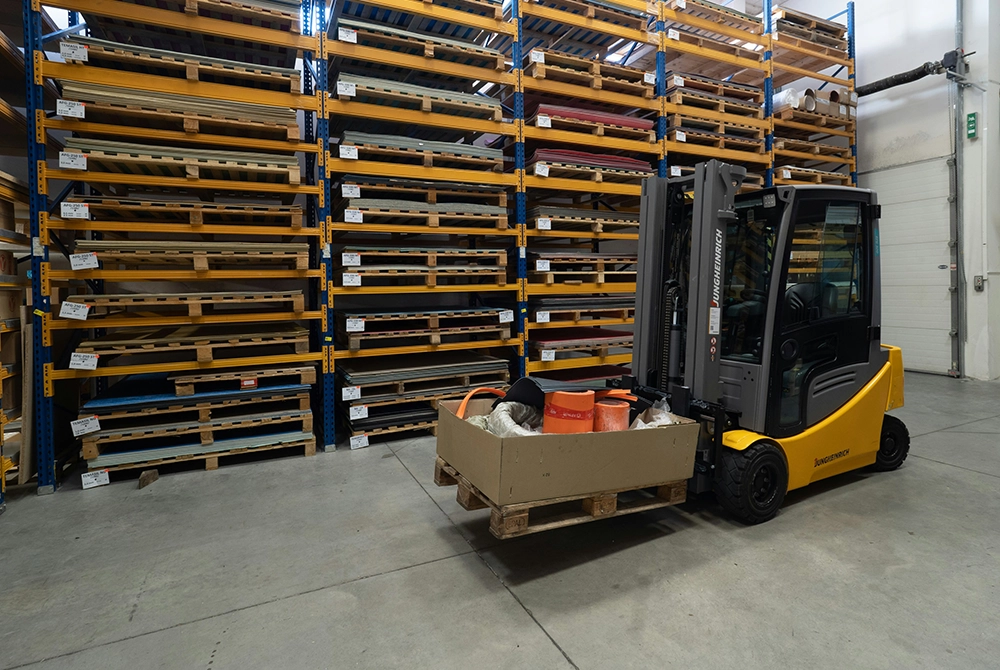
Warehouses in the U.S. are quickly using a new type of forklift. This change helps businesses focus on efficiency, sustainability, and cost control. Electric forklifts have moved from “nice-to-have” to mainstream, thanks to improved performance and lower long-term operating costs.
They offer cleaner, quieter operation and are ideal for indoor warehouse environments. Even with these tech advancements, skilled human operators and supporting temp labor remain crucial.
Bacon helps warehouses stay productive by supplying trained, reliable warehouse temp staffing. Who can support forklift operations and overall workflow.
Why Electric Forklifts Are Gaining Ground
Electric forklifts bring big benefits, lower fuel costs, reduced emissions, and improved safety. Lower operating costs through charging batteries. Charging is significantly cheaper than diesel or propane fuel.
Zero emissions inside the warehouse protect workers and meet regulatory standards for cleaner indoor air. There are fewer moving parts which means fewer breakdowns and longer equipment life.
They reduce noise pollution, improving communication and reducing safety risks. Electric forklifts often offer tiger turning radiuses and smoother control. They save money, protect workers, and enhance daily operations.
Boosting Warehouse Efficiency With Electric Forklifts
Electric forklifts aren’t just eco-friendly, they improve speed, accuracy, and workflow. Instant torque and smooth speed help with faster pallet movement.
New braking extends battery life and reduces downtime. Precision controls help operators place pallets more accurately, which increases warehouse space use.
Pairing forklifts with WMS systems improves routing, real-time inventory tracking, and pick-path optimization. This is especially beneficial when managers find pickers and packers through warehouse job apps.
Skilled human operators remain vital for maneuvering tight aisles, stacking vertically, and making quick judgment calls.
Training Requirements: New Machines Still Need Skilled Operators
Electric doesn't mean easier, operators still require training, focus, and experience. Electric forklifts handle differently from propane or diesel counterparts. With instant speed, and weight distribution.
OSHA training rules still apply, including renewing every 3 years. Workers must learn:
- Battery charging and maintenance routines
- Weight limits and load balance
- Safe driving on wet floors
Human judgment remains essential, tech cannot replace operator awareness. Using temporary warehouse workers from Bacon ensures productivity stays stable while staff gets trained.
Technology evolves, but forklift safety and training remain human-driven.
How Electric Forklifts Improve Warehouse Safety
Better controls and cleaner operations lead to fewer accidents and injuries. Electric forklifts reduce emissions related health risks indoors.
Smoother controls lower the chance of dropped loads or tipping. Quieter machines make it easier for operators, pickers, and packers to communicate.
Many models include enhanced safety features:
- Collision sensors
- Speed limiters
- Stability control
But safety still depends on people, alert forklift drivers, aware pickers, trained spotters and reliable temp labor. If you find warehouse staff from on-demand staffing sources it can be helpful to run safety briefs before shifts.
Labor Planning in the Age of Electric Equipment
Electric forklifts help warehouses operate more efficiently, but staffing still determines success. As forklifts change, job roles shift. More battery tech handling, more charging roles, more safety checks.
Peak seasons still require more forklift drivers, inventory movers, and new hire picking and packing workers.
Electric forklifts can’t solve understaffing issues, knowing how to staff warehouse shifts through the right sources does. With Bacon managers can find warehouse workers fast. Workers can pick up warehouse shifts fast. Both can avoid delays common with traditional temp agencies near me.
Electric Forklifts + Automation: A Powerful Combo (With People at the Core)
Electric forklifts integrate well with automation, but they don’t eliminate human labor. They work smoothly alongside AS/RS, conveyor systems, and robotic pickers.
Humans can handle irregular items, exceptions, returns, and quality control. Temp labor remains essential for tech rollouts, seasonal spikes, and new product launches.
Conclusion: Electric Forklifts Are the Future, People Still Make Them Work
Electric forklifts are changing the warehouse industry through efficiency, safety, and sustainability. But they still depend on trained operators and strong supporting labor. Bacon helps warehouses adapt by providing on-demand reliable temporary workers to support forklift operations.
Stay ahead of the warehouse evolution. Post your next shift on Bacon, the faster, smarter alternative to temp agencies near you.